

Evaluation of Save the Children New Zealand’s Negotiated Partnership Programme
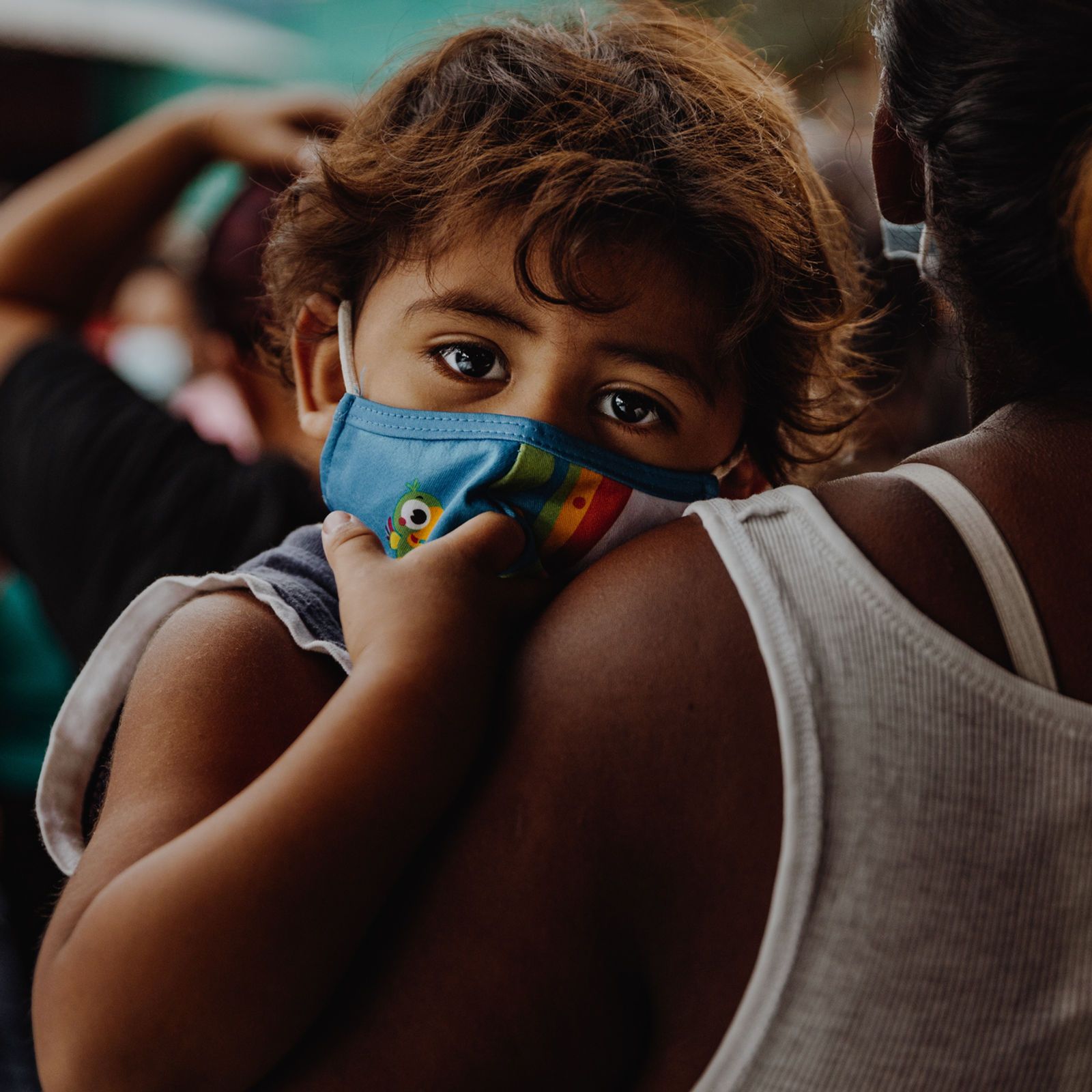
Evaluating a five-year programme for safer schools, child poverty reduction and child protection across the Pacific and Asia.
The challenge
Save the Children New Zealand (SCNZ), co-funded by MFAT’s Negotiated Partnership, implemented a five-year programme (2020–2025) across Fiji, Laos, Nepal, Solomon Islands, Vanuatu, and regional Pacific projects. The programme focused on three pillars: Safe Schools & Resilience – Protecting children from disasters, climate risks, and COVID-19. Child Poverty Reduction – Supporting families to meet children’s health, education, and nutrition needs. Child Protection – Reducing violence against children and strengthening child rights.
How we worked
The evaluation, undertaken by Future Partners, was conducted in 2025. It used a mixed-method, participatory approach with surveys, interviews, focus groups, and case studies across communities and schools. The team, led by Meenakshi Sankar, found the SCNZ teams to be very engaged and knowledgeable. She also provided support to select in-country consultants to improve the quality and consistency of approaches for the evaluation of the individual country project evaluations. Meenakshi and colleagues undertook an extensive desk-based review and analysis of documents, summarised the country level project evaluation, led the 2 regional projects evaluation and synthesised the findings across the whole programme. Future Partners then prepared a presentation at a sense-making workshop with SCNZ prior to finalising the report. The final evaluation report set out key achievements for each of the 9 separate projects which informed a series of considerations for the future and recommendations (both strategic and operational).
Outcomes
Nearby in the atlas
Related case studies

Evaluation of Kōtui, Oxfam Aotearoa’s Negotiated Partnership Programme
Oxfam Aotearoa · MFAT
Enhanced Pacific Biosecurity Partnership Programme
MFAT · Ministry for Primary Industries

Driving Market Access in the Pacific
MFAT · Ministry for Primary Industries