

Multi-hazard risk assessment for the transport sector in Niue
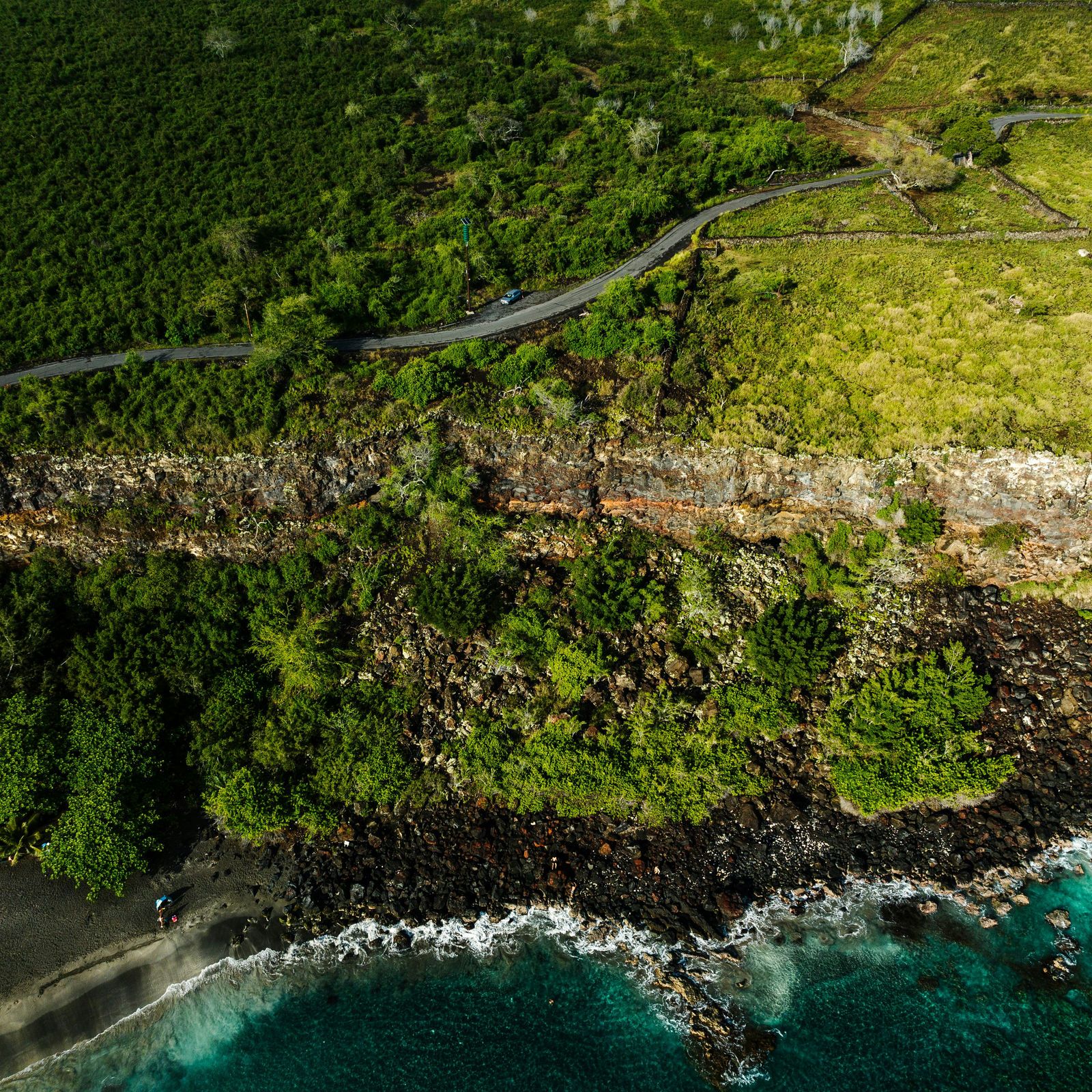
Assessing current and future natural-hazard risks across Niue’s roads, airport and wharf to guide long-term investment.
The challenge
Niue is one of the largest coral atolls in the world, home to a population of around 1,600 people. Its transport network including roads, airport and wharf, are essential to daily life and economic activity. Yet, they are highly exposed to natural hazards. The island is regularly affected by tropical storms, sea level rise, windstorms and tsunamis. These hazards already disrupt transport operations and are expected to intensify over time. For the Government of Niue, developing a clear, evidence-based understanding of how these risks affect the transport network (not just now but into the future) is a critical planning challenge.
What we did
- The Asian Development Bank funded a technical study to assess the impact of identified natural hazards on Niue’s transport sector. The assessment covered the full network, including roads, the airport and the wharf.
- As a sub-consultant to Haskoning, Future Partners associate James Reeves led the consulting team that delivered the study. James brought 36 years of experience as a transport economist and disaster risk specialist to the project.
- This work built directly on James’ long-standing engagement with Niue. He previously led the development of the National Transport Strategy and Action Plan (2017) and the National Infrastructure Investment Plan (2022), giving him a detailed understanding of Niue’s operating environment, transport challenges and investment priorities.
- The study also drew on James’ experience across more than 20 disaster and climate risk projects worldwide, where he has led the development of climate adaptation and disaster risk reduction strategies and investment proposals.
- Given the number of relevant programmes already underway in Niue, a key priority was ensuring that the study aligned with existing policies and future government planning. Early stages of the work focused on building a detailed understanding of these programmes, supported by extensive stakeholder consultation across government and the transport sector.
Outcomes
Nearby in the atlas
Related case studies
Unlocking Sustainable Development: Container Deposit Schemes in the Pacific Islands
Japan International Cooperation Agency
Streamlining Invasive Species Management in the Pacific Islands
PRISMSS · SPREP

Developing the Foundations for Climate Action and Sustainable Forest Management in Timor-Leste
FAO · Government of Timor-Leste